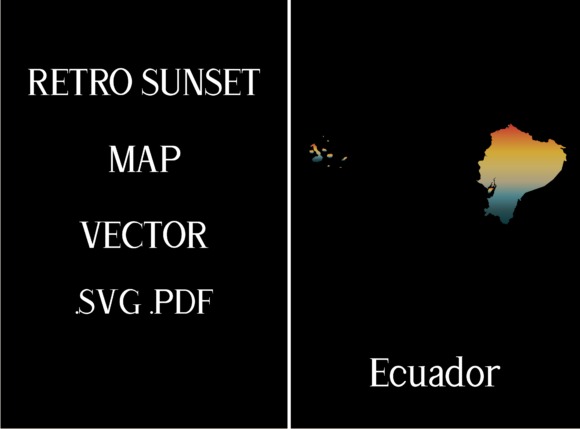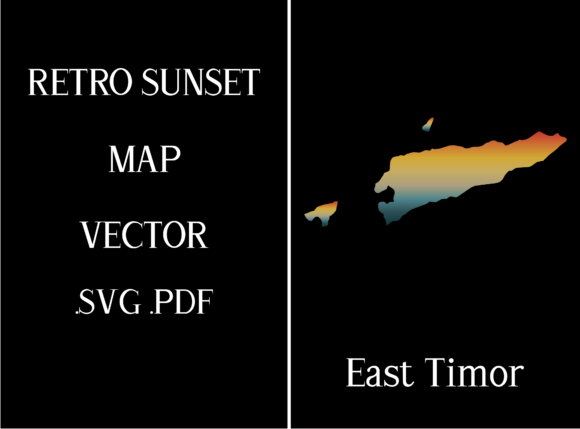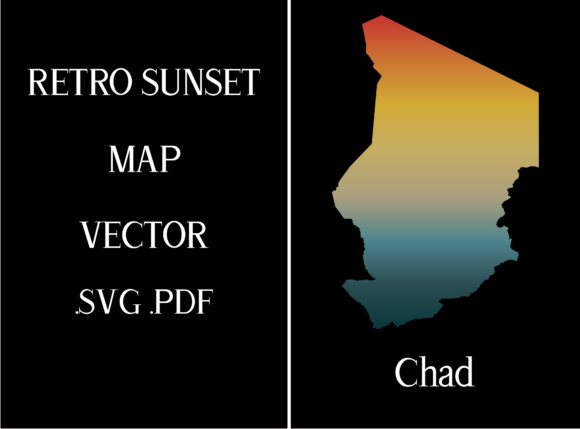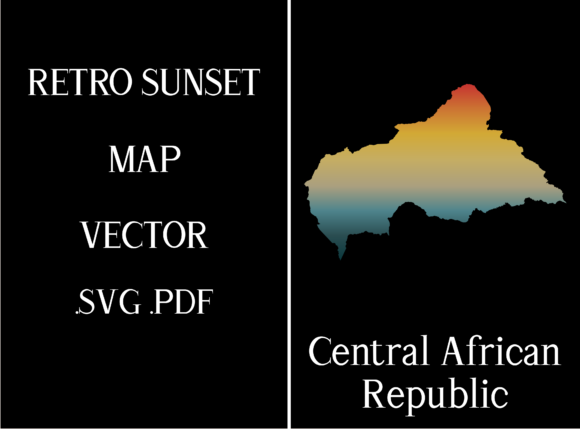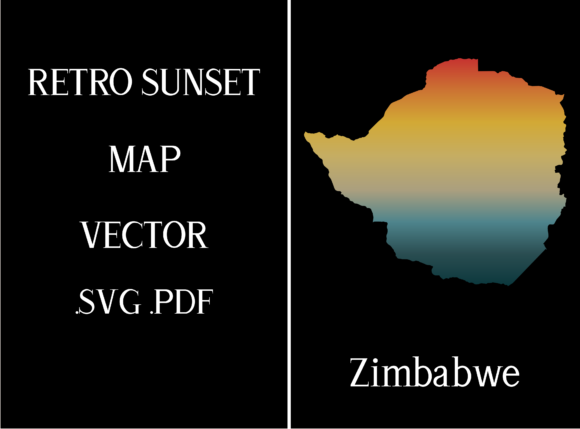
Zimbabwe Retro Sunset Map
When I first opened the Zimbabwe Retro Sunset Map file, my initial reaction wasn't about the stitch count or the specific file format. It was about the mood. There is a distinct warmth to this design that immediately suggests nostalgia, travel, and a connection to the earth. As an experienced designer who has stitched hundreds of files for clients ranging from local boutiques to large-scale manufacturers, I know that a great embroidery design starts with a strong visual concept before it ever touches a needle. This piece delivers exactly that: a bold, graphic silhouette that feels both vintage and timeless.
The layout captures the unique geography of Zimbabwe in a stylized manner, using the warm gradients of a setting sun to fill the contours of the country. For those of us working in the world of handmade products, this isn't just a shape; it is a statement. It works exceptionally well as a central focal point on custom apparel, where the retro aesthetic bridges the gap between modern streetwear and classic Americana vibes. The color palette implied by the title suggests deep oranges, soft yellows, and perhaps a hint of purple or blue in the shadows, which translates beautifully into thread choices.
I recently had the opportunity to test this design on a real-world project: a limited run of canvas tote bags for a client's boutique shop. We were looking for something that felt personal but professional, something that would stand out on a shelf next to generic floral prints. The Zimbabwe Retro Sunset Map fit the bill perfectly. Because the design relies on solid shapes rather than intricate line work, it held up incredibly well on the heavy cotton canvas. The visual weight of the map balanced the texture of the fabric without getting lost in the weave.
Real-World Performance on Custom Apparel and Goods
One of the most critical factors in my review process is how a design behaves when moved from a digital screen to a physical object. The Zimbabwe Retro Sunset Map excels in scenarios involving medium-to-large surface areas. Imagine applying this to a heavyweight sweatshirt for a university club or a group retreat. The retro style gives it a "lived-in" look that customers love, making the garment feel like a vintage find rather than a mass-produced item.
The design also shines on baby items. A soft onesie featuring this map, perhaps embroidered in pastel threads to soften the contrast, creates a heartwarming personalized gift. Parents are always looking for unique keepsakes, and a map design speaks to wanderlust even for infants. Similarly, for kitchen towels or aprons used by culinary enthusiasts, the map serves as a conversation starter. It adds a layer of sophistication to functional items, elevating a simple tea towel into a piece of decor.
For Etsy sellers and small business owners, the versatility here is a major asset. Whether you are creating a patch for a denim jacket, a wall art piece for a nursery, or a graphic for a greeting card, the core geometry remains clear. The design acts as a versatile design asset that can be adapted for various product categories without losing its identity. When customers see a finished product with this level of detail and thematic consistency, their trust in the brand increases. It signals that the maker put thought into the selection of their graphics.
Navigating Technical Challenges and Fabric Choices
While the concept is strong, every experienced embroiderer knows that execution depends on the materials. There are specific situations where the Zimbabwe Retro Sunset Map requires careful consideration. If you are planning to use this on a curved surface like a baseball cap, you must ensure your hoop size accommodates the curvature of the crown. The map shape is relatively wide, so placing it on a small hat might result in distortion if the machine doesn't follow the curve correctly.
Fabric texture plays a pivotal role as well. On stretchy knits, such as thin t-shirts or jersey blends, the density of the stitches needs to be managed carefully to prevent puckering. If the design includes dense fill stitches to create the sunset gradient effect, using a high-quality cutaway stabilizer is non-negotiable. Without proper support, the tension of the thread could pull the fabric out of shape, ruining the clean lines of the map border.
Conversely, on dark fabrics, the choice of thread colors becomes paramount. The retro sunset theme usually implies lighter or brighter tones. If you are stitching this on black denim, you will need a high-density underlay to ensure the top threads pop and cover the dark background completely. Skipping the underlay step often results in a muddy appearance where the thread blends into the fabric, diminishing the visual impact of the design.
Design Integrity and Customer Perception
In the world of commercial embroidery, the clarity of the design directly correlates to the perceived value of the finished product. The Zimbabwe Retro Sunset Map avoids the trap of over-complication. It does not rely on tiny lettering or microscopic details that tend to disappear after a few washes. Instead, it focuses on the silhouette and the flow of the colors. This makes it an excellent choice for products that require durability, such as workwear or frequently washed children's clothing.
When evaluating this as a potential logo or graphic element, I found that it maintains its integrity even when scaled down slightly for smaller applications like stickers or patches. The clean edges of the map outline allow for easy digitizing adjustments if necessary. However, for the best results, I recommend testing the design in a black-and-white mockup first. This helps visualize how the different shades of the sunset will translate into thread values without the distraction of color.
For crafters selling at markets or online, the presentation matters. A well-executed Zimbabwe Retro Sunset Map on a tote bag or pillow cover looks professional and cohesive. It suggests that the seller cares about quality control and design aesthetics. Customers are more likely to engage with a brand that offers visually striking, well-stitched items. The design effectively communicates a sense of place and story, which is a powerful tool for marketing handmade goods.
Practical Notes for the Embroidery Designer
Before you commit to running a full production batch, there are essential steps to take to ensure success. First, always test the design on scrap fabric that matches your final project material. This allows you to check the thread color contrast and observe how the fabric reacts to the stitch density. You might find that a slightly different shade of orange thread yields a better result against your specific fabric texture.
Review the stitch types within the file. If the design uses a mix of satin stitches for the borders and fill stitches for the interior, verify that the transition points are smooth. Poor transitions can lead to thread breaks or visible gaps in the design. Also, confirm the recommended hoop size provided by the file creator. Using a hoop that is too small can force the machine to jump stitches, while one that is too large might cause the fabric to shift during the process.
Don't forget to check the licensing terms before using this for commercial purposes. While the design is marketed for print-on-demand and various crafts, understanding whether you can sell the finished items or if the license is restricted to personal use is crucial for protecting your business. Finally, inspect the small details of the map's coastline and internal features. Ensure they are legible and not overly complex for the intended fabric type. If the design includes very fine lines, consider simplifying them slightly if you are working with a lower resolution machine or a textured fabric.
In conclusion, the Zimbabwe Retro Sunset Map stands out as a robust and aesthetically pleasing option for embroidery projects. Its blend of geographic interest and retro styling makes it suitable for a wide array of applications, from personal gifts to boutique merchandise. By paying attention to fabric selection, stabilization, and thread choices, designers can transform this digital file into a stunning finished product that resonates with customers. It is a reminder that good design is not just about the image, but about how that image comes to life through the art of stitching.