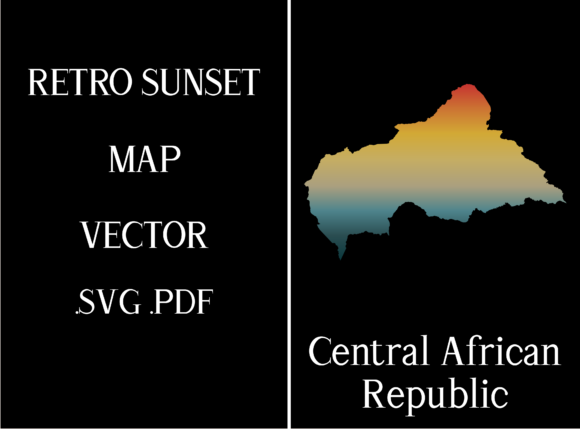
Central African Rep Retro Sunset Map Review
I have spent years reviewing embroidery files, testing everything from intricate floral monograms to bold geometric logos. Most designs fall into one of two categories: they are either too simple for a boutique feel or so detailed that they turn into a muddy mess on the hoop. When I first laid eyes on the Central African Rep Retro Sunset Map, I knew it was going to be different. It sits right in that sweet spot where artistic flair meets practical application. This isn't just another clip-art image; it is a machine embroidery design with a distinct personality that begs to be stitched.
The moment you open the file, the mood is set. The retro aesthetic immediately evokes a sense of wanderlust and vintage nostalgia. The layout feels balanced, utilizing the natural curves of the map to create a composition that works beautifully as a standalone graphic. For those of us looking at this under the category of Logos and Graphics, the value lies in its versatility. It is not bound by a single use case. Whether you are an Etsy seller looking to expand your shop's inventory or a crafter making personalized gifts, this design offers a unique visual hook that stands out in a crowded marketplace.
Real-World Application: From Screen to Stitch
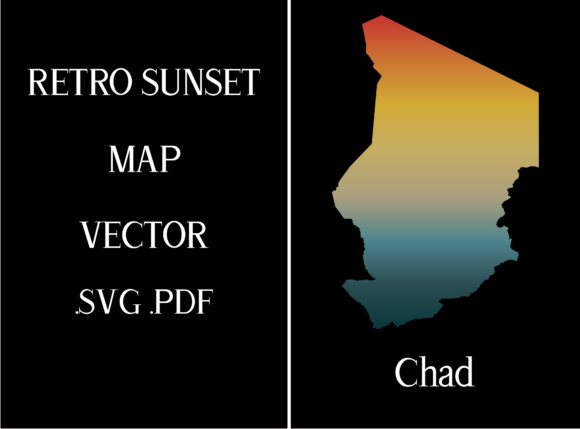
Let me take you through a specific scenario. Last week, I decided to test the Central African Rep Retro Sunset Map on a custom project for a local boutique client who wanted a line of eco-friendly tote bags. They specifically asked for something that represented travel but felt modern and warm. I pulled up the design and immediately saw how well it would translate to canvas. The retro sunset gradient concept translates surprisingly well into thread colors, allowing for a soft ombre effect if you choose the right thread palette.
I started by hooping a heavy-duty cotton canvas. The first thing I noticed was how the design handled the transition between the landmass and the sky. In many similar files, the fill stitches can become dense and stiff, ruining the drape of the fabric. However, this design seemed to respect the texture of the material. The stitching flow followed the contours of the map naturally, avoiding the "plastic" look that often plagues poorly digitized maps. When I finished the run, the result was crisp. The edges were clean, and the colors popped against the neutral background. My client loved it, noting that the design added a level of sophistication that simple text-based prints couldn't achieve.
This same logic applies to other items in my workflow. Imagine using this design on a baby onesie. The gentle curves and warm tones make it perfect for nursery decor or a special keepsake gift. On a sweatshirt, it adds a statement piece without overwhelming the garment. Even on a kitchen towel, the map shape creates a focal point that draws the eye. The key here is understanding that the embroidery file is designed to work across various mediums, from custom apparel to digital product previews.
Where to Exercise Caution
While the Central African Rep Retro Sunset Map is robust, no design is universally perfect without adjustments. As an experienced designer, I always advise testing before committing to a final product. There are specific scenarios where this design requires extra attention. If you are working with a small hoop size, you might find that the finer details of the map lines get lost. Tiny lettering or intricate border details can sometimes blur if the stitch density is too high for the available space.
Texture is another factor to consider. While this design shines on smooth fabrics like twill or canvas, it can struggle on highly textured materials like chunky knits or bouclé. The stitches may not lay flat, leading to an uneven appearance. Similarly, if you are working with stretchy fabrics like jersey knit, you will need to use a strong stabilizer to prevent puckering. The design itself does not account for the stretch of the fabric; the stability comes from your preparation.
Dark fabrics present their own challenge. To make the retro sunset colors pop, you will likely need a light-colored underlay or a specific colorway selection. If you attempt to stitch this directly onto a black hoodie without proper contrast planning, the subtle gradients might disappear into the background. Always check your thread colors against the fabric before starting the machine. For curved surfaces like caps, ensure that the design is sized correctly to avoid distortion at the seams. Dense stitch areas should be inspected closely to ensure the needle doesn't break or skip stitches due to overcrowding.
Visual Impact and Professional Value
In the world of handmade products and commercial sales, visual appeal is everything. A well-executed embroidered patch or a beautifully stitched tote bag design tells a story about the quality of the maker. The Central African Rep Retro Sunset Map elevates the perceived value of any finished product. It signals to the buyer that care was taken in the creation process. This is crucial for Etsy sellers and small shop owners who rely on customer trust and repeat business.
When customers see a high-quality finished product featuring this design, they are more likely to engage with the brand. The retro theme has a timeless quality that appeals to a wide demographic, from young adults looking for trendy fashion to older generations appreciating classic aesthetics. This broad appeal makes it a safe bet for holiday gifts or wedding favors. The design acts as a conversation starter, adding a layer of personality to otherwise plain items.
Furthermore, the consistency of the design helps build brand identity. If you are creating a line of merchandise, having a cohesive look is essential. This map design can serve as a signature element across different products, from aprons to pillow covers. It reinforces the idea that your shop is curated and thoughtful. For commercial embroidery projects, this level of detail and style can justify a higher price point, as clients recognize the effort required to produce such a refined item.
Practical Notes for the Designer
Before you rush to load this design into your machine, there are a few technical steps I recommend taking. First and foremost, always test the design assets on scrap fabric. This allows you to see how the stitch density interacts with your specific material and adjust your settings accordingly. Check the thread colors to ensure they provide the desired contrast. If you are unsure about the colorway, try creating a printable mockup in black and white to visualize the structure of the stitches.
Confirm your hoop size matches the dimensions of the design. Using a hoop that is too large can lead to unnecessary movement, while one that is too small might cut off important details. Inspect the small details, especially if you plan to use this for personalized gifts where precision is paramount. Make sure you understand the licensing terms associated with the file. Are you allowed to sell finished items? Can you use it in digital marketing materials? These questions are vital for protecting your craft business and avoiding legal issues.
Finally, pay attention to the type of stitches used. The satin stitch areas should be smooth, while the fill stitch sections should cover the fabric evenly without leaving gaps. If you notice any issues, don't hesitate to tweak the tension or change the stabilizer. With the right preparation, the Central African Rep Retro Sunset Map becomes more than just a graphic; it becomes a professional asset that enhances your portfolio and satisfies your customers.
Whether you are designing a new collection for your handmade shop or creating a unique item for a friend, this design offers a blend of style and functionality that is hard to beat. It proves that even a simple map can tell a complex story when executed with skill and intention.