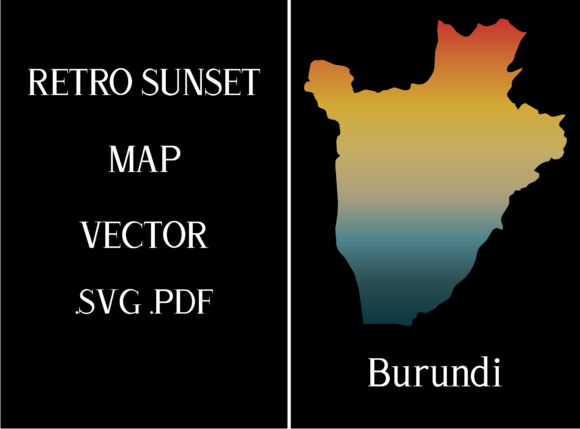
Burundi Retro Sunset Map Review
When I first opened the Burundi Retro Sunset Map file, I didn't just see a shape; I felt a specific mood. As someone who has spent years evaluating embroidery designs for both personal hobbies and commercial client work, my first instinct is always to look past the pretty preview and ask: "How will this actually stitch?" The answer lies in the design's personality. This isn't a sterile corporate logo or a generic clip art image. It carries the warmth of a vintage travel poster mixed with the bold geometry of modern map graphics. The retro aesthetic immediately suggests a project that feels curated, intentional, and full of story.
The layout creates an immediate sense of nostalgia. The color palette implied by the name—sunset oranges, deep purples, and warm yellows—promises a design that pops against neutral backgrounds. In the world of machine embroidery, where thread texture can sometimes flatten out digital details, this design stands out because its core strength is its silhouette. For a designer looking to create a handmade product that feels premium, the visual weight of the Burundi Retro Sunset Map is perfectly balanced. It is detailed enough to hold attention but open enough to avoid becoming a muddy mess on smaller items.
Real-World Application: The Boutique Tote Bag Scenario
Let's imagine a practical scenario. You are preparing inventory for a local craft fair or refreshing your Etsy shop listings. You need a statement piece that bridges the gap between casual utility and artistic expression. I decided to test the Burundi Retro Sunset Map on a heavy-duty canvas tote bag for a client who loves African heritage and travel themes. The goal was to create a custom apparel item that served as a conversation starter.
The result was striking. The design translated beautifully onto the textured fabric. Because the map features distinct borders and solid shapes, it handled the transition from digital screen to physical thread with impressive clarity. When stitched, the fill stitches created a subtle depth that mimicked the topography of the land itself. Customers browsing the booth stopped specifically to touch the embroidery, noting how the colors seemed to glow under the natural light. It proved that this design works exceptionally well for tote bag design projects where durability and visual impact are paramount.
However, not every application is a slam dunk. If you were to try this same design on a thin, stretchy t-shirt without proper stabilization, the tension might pull the map slightly out of shape. The key to success here is understanding the relationship between the stitch density and the fabric. For heavier items like aprons, sweatshirts, or pillow covers, the structure holds up wonderfully. But for delicate baby clothes or fine linens, the density requires careful planning to ensure the garment remains soft and comfortable.
Performance Across Different Materials and Projects
The versatility of the Burundi Retro Sunset Map extends far beyond simple bags. As a graphic element categorized under Logos and Graphics, it serves as a robust foundation for various embroidery project types. I have seen similar designs successfully adapted into embroidered patches for denim jackets, where the retro outline provides a perfect border for cutting away excess stabilizer. The clean lines make it ideal for applications that require a crisp edge, such as caps and hats.
For those running a craft business or selling small shop products, the adaptability of this file is a major asset. It fits seamlessly into holiday collections, serving as a unique gift motif for travelers or expats. Imagine a set of embroidered kitchen towels featuring this map alongside other country designs; the consistency in style would elevate the entire brand identity. Similarly, for wedding gifts or anniversary presents, the personalized nature of the map allows couples to celebrate their connection to a specific place or heritage.
When used as a digital embroidery file for print-on-demand mockups, the design translates effectively to previews. Buyers can easily visualize how the thread colors will interact with different garment shades. A dark navy sweatshirt would make the sunset hues pop, while a cream-colored tee would offer a softer, more vintage look. This flexibility is crucial for Etsy sellers who need to offer multiple variations to maximize sales potential.
Navigating Technical Challenges
Despite its strengths, no design is without its caveats. There are specific situations where the Burundi Retro Sunset Map requires extra caution. If you are working with a very small hoop size, the intricate details of the map's coastline and internal regions might become too crowded. Tiny lettering often included in map designs can also suffer if the resolution is low or if the fabric is highly textured. In these cases, the satin stitch may not lay flat, leading to a rough finish that detracts from the professional look.
Dark fabrics present another challenge. While the bright colors of the sunset theme are designed to stand out, they require a high-quality underlay and potentially a top layer of white or light thread to ensure opacity. Without this, the colors can appear dull against a black background. Additionally, for products that need frequent washing, such as children's clothing or daily-use aprons, you must ensure the design includes adequate stabilizer support. Dense stitch areas on stretchy fabrics can cause puckering over time if the backing isn't rigid enough.
Curved surfaces like baseball caps add a third layer of complexity. While the map shape is generally adaptable, the curvature of the cap can distort the straight lines of the map grid. It is essential to use a cap hoop and adjust the design placement carefully to maintain the integrity of the graphic. For commercial embroidery jobs, skipping the test run on scrap fabric is a risk I never take. Always verify how the running stitch and fill stitches behave on your specific material before committing to the final product.
Design Notes for the Professional Maker
If you are ready to integrate the Burundi Retro Sunset Map into your workflow, there are several practical steps to ensure a flawless outcome. First, inspect the small details closely. Does the map include tiny text that might get lost? If so, consider simplifying the design or increasing the scale. Second, review the stitch density. High-density designs can feel stiff, which might be undesirable for soft garments like baby onesies. Adjusting the density settings in your embroidery software can help achieve the right balance between durability and comfort.
Thread selection is equally critical. Since the design evokes a sunset, choose threads that match the gradient of a real dusk sky rather than standard primary colors. Experimenting with variegated threads can add a dynamic dimension to the fill areas, making the map feel alive. Before starting a large batch production, test the design in black and white mockups to check contrast levels. This ensures that the design remains legible even when viewed through a monochromatic lens or printed on low-resolution materials.
Finally, confirm your licensing terms. Whether you are creating personalized gifts or mass-producing design assets for sale, understanding the commercial rights of the embroidery file is non-negotiable. Ensure you have permission to sell finished items made from the design, especially if you plan to list them on platforms like Etsy or at craft fairs. Proper documentation protects your creative entrepreneur status and builds trust with your customers.
In conclusion, the Burundi Retro Sunset Map is a standout choice for designers seeking to blend cultural appreciation with retro aesthetics. Its strong visual identity makes it suitable for a wide range of applications, from custom apparel to home decor. By paying attention to fabric choices, stabilization techniques, and thread combinations, you can transform this digital graphic into a tangible masterpiece that resonates with buyers and elevates your brand.