West Virginia Retro Sunset Map Review
When I first opened the file for the West Virginia Retro Sunset Map, I immediately thought about the kind of project that would make this design sing. As a designer who spends most of my days troubleshooting stitch density and advising small business owners on what actually holds up in real-world use, I look past the pretty preview image. I want to know how it translates from a digital screen to a finished product under a machine needle.
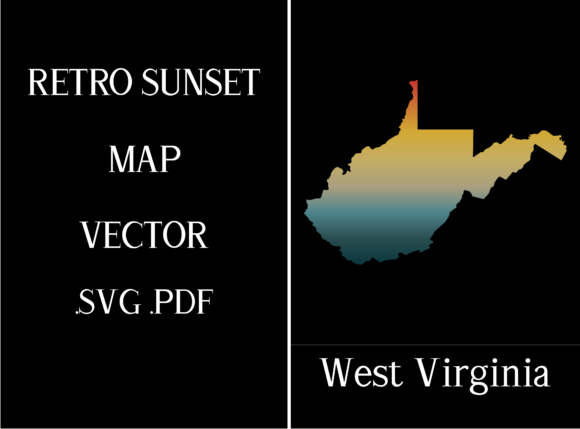
This machine embroidery design carries a specific mood right out of the box. It feels nostalgic, warm, and distinctly regional without being cluttered. The retro aesthetic suggests a vintage travel poster vibe, which is perfect for today's market where consumers crave authenticity and handcrafted details. Whether you are an Etsy seller looking to boost your boutique branding or a hobbyist making a personalized gift, this Graphics asset offers a strong visual personality that stands out against both light and dark backgrounds.
From Digital File to Finished Product
I recently put this design through its paces while preparing a custom embroidered tote bag for a local craft fair. The goal was to create a piece of merchandise that felt like a genuine souvenir but with a modern, artisanal twist. The West Virginia Retro Sunset Map fit that brief perfectly. The layout is balanced, allowing the iconic shape of the state to serve as the anchor while the sunset elements add depth and color.
In a practical setting, the design excels because it avoids over-complication. Many map designs fail when stitched because they try to include every county line or road, resulting in a muddy mess. This version simplifies the geography into a recognizable silhouette. When I ran it on a heavy canvas tote bag, the satin stitch along the borders held crisp edges, and the fill stitch areas provided a solid texture that didn't look patchy. The result was a high-quality embroidered patch effect that looked professional enough to command a higher price point in a shop.
The versatility here is impressive. Beyond totes, I envision this embroidery file shining on sweatshirt embroidery for a cozy fall collection or as a subtle accent on baby clothes for a nursery decor set. The retro color palette naturally lends itself to holiday embroidery projects, especially those celebrating heritage or family roots. For a commercial embroidery business, having a design that appeals to multiple demographics—from tourists to locals—is a significant advantage.
Where This Design Shines
If you are building a catalog of design assets for your craft business, this piece belongs in your top tier for several reasons. First, it works exceptionally well on flat surfaces like pillow covers, tea towels, and kitchen linens. The rectangular or square composition of the map allows it to center beautifully on these items without fighting the fabric grain.
It also performs admirably as a standalone graphic element. You can use it to create wall art prints by stitching it onto denim or linen and framing it, or incorporate it into greeting cards for a tactile, unique feel. For digital product sellers, this is a fantastic addition to printable mockups. Clients love seeing how a design looks on different products before they commit to buying, and the clean lines of the West Virginia Retro Sunset Map render clearly in digital previews.
For small shop owners, the design supports brand consistency. If you specialize in Appalachian-themed goods or general rustic home decor, this embroidery project ties your inventory together. It signals quality and attention to detail, which builds customer trust. A buyer is more likely to return to a shop where every item, from a tote bag design to a cap, shares a cohesive aesthetic.
Practical Considerations for Real-World Use
However, not every surface is created equal. While this design is robust, there are specific scenarios where you need to exercise caution. If you plan to use this on a curved surface like a baseball cap or a fitted hat, be mindful of the hoop size and the curvature of the crown. Dense fill stitches can sometimes distort on tight curves if the stabilizer isn't chosen correctly.
Textured fabrics present another challenge. On a rough wool or a heavily brushed fleece, the fine details of the map might get lost. In these cases, using a proper stabilizer is non-negotiable. I recommend testing the design on scrap fabric first to ensure the thread colors provide enough contrast against the specific fabric texture you are using. Dark fabrics require a careful selection of thread colors; if the background is too similar to the stitch tones, the running stitch details may disappear entirely.
Small hoop sizes are also a limitation to consider. While the main shape is clear, any tiny lettering or intricate decorative accents within the sunset gradient could become indistinguishable if reduced too much. If you are aiming for a very small logo application, such as on a shirt pocket or a baby bib, verify that the minimum dimensions of the file support that scale. Always inspect small details before mass-producing a batch of custom apparel.
Technical Notes for the Designer
To ensure your finished product meets professional standards, follow these practical steps before running a full production run:
- Test Stitch Density: Review the stitch density settings in your digitizing software. If the fill areas are too dense, the fabric may pucker, ruining the drape of the garment. If too loose, the coverage will look thin and cheap.
- Check Thread Colors: Compare the thread colors in a black and white mockup. Sometimes a vibrant red and orange sunset blend together visually when viewed without color, losing the separation between the sky and the land.
- Stabilizer Selection: Ensure you are using the correct type of stabilizer for the fabric weight. For stretchy fabrics like t-shirts, a cut-away stabilizer is usually best to prevent distortion after washing.
- Licensing Verification: Before selling finished items or offering this as a digital embroidery file for download, confirm the licensing terms. Some designs allow personal use only, while others permit commercial sales of physical goods.
By taking the time to validate these technical aspects, you protect your reputation as a maker. Customers expect a high level of craftsmanship, and a poorly executed embroidery project can damage a brand faster than anything else.
Final Thoughts on Visual Appeal and Value
The West Virginia Retro Sunset Map succeeds because it balances artistic flair with technical feasibility. It creates a sense of place and emotion that resonates with buyers. When used correctly, it elevates a simple item into a keepsake. Whether you are creating a wedding gift, a holiday ornament, or a piece of boutique branding, this design adds a layer of sophistication and warmth.
For the creative entrepreneur, it represents a smart investment of time and resources. It fits seamlessly into a workflow that values efficiency without sacrificing quality. By understanding the strengths and limitations of the design, you can maximize its potential across various product categories, from kids clothes to large-scale wall art.
Ultimately, the success of any embroidery design comes down to execution. With the right preparation, the West Virginia Retro Sunset Map delivers a stunning result that customers will appreciate and cherish. It is a versatile tool in the hands of a skilled designer, ready to transform raw materials into meaningful, handmade products.