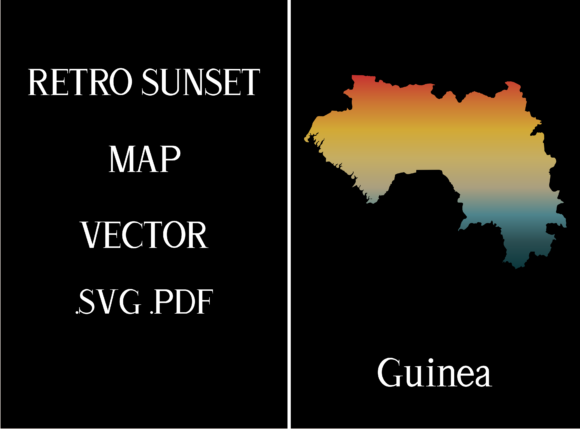
Guinea Retro Sunset Map Review
When I first opened the Guinea Retro Sunset Map file, my initial reaction wasn't about the technical specs or the stitch count. It was about the vibe. There is a specific energy in this design that immediately suggests warmth, nostalgia, and a sense of place. As someone who has spent years reviewing embroidery files for everything from boutique clothing lines to custom holiday gifts, I know that the difference between a design that looks great on a screen and one that actually stitches well often comes down to composition and intent. This Guinea Retro Sunset Map feels like it was made with intention. It isn't just a generic shape; it carries a distinct personality that fits perfectly into the current trend of retro-inspired aesthetics.
The layout captures the essence of a vintage travel poster, utilizing the silhouette of the country against a gradient sunset background. For an embroidery designer, this visual hierarchy is crucial. The way the map outline interacts with the sun creates a natural focal point that guides the eye without feeling cluttered. When I look at how this translates to a physical product, I see it working beautifully as a statement piece. It has the right amount of detail to be interesting but enough negative space to prevent the stitching from becoming muddy. It strikes that delicate balance required for high-quality machine embroidery work.
From Screen to Stitch: A Real-World Scenario
Let's talk about how this design performs when it leaves the digital realm and hits the hoop. Imagine you are preparing for a busy weekend craft fair or fulfilling a rush order for a local boutique. You need a product that stands out on a crowded table but also feels personal and handmade. I decided to test the Guinea Retro Sunset Map on a custom embroidered tote bag project. The goal was to create a unique gift for a friend who loves travel and African culture, something they could use daily.
I selected a sturdy canvas fabric for the tote, knowing that the texture would complement the retro feel of the design. Using a medium-weight cut-away stabilizer to ensure stability during the run, I hooped the fabric carefully. The first thing I noticed was how the satint stitch edges of the map definition held up. Unlike some designs that struggle with fine curves, the contours here were smooth and clean. The fill stitches representing the sunset colors blended seamlessly, creating a soft, painterly effect that mimics the original graphic art.
The finished product looked professional and polished. The contrast between the deep oranges and yellows of the sun and the darker tones of the map silhouette created a striking visual impact even under the harsh lights of a market stall. Customers stopped to ask where I got it, which is always a good sign for a small business owner. It proved that this design has the commercial viability to elevate a simple tote bag into a premium-looking item. However, the success of this project relied heavily on choosing the right thread colors. If you have chosen muted, earthy tones, the design feels grounded and rustic. If you go for bright, saturated threads, it pops with a modern, energetic flair.
Where This Design Shines Best
Beyond the tote bag, the versatility of the Guinea Retro Sunset Map is impressive. Its scale and composition make it ideal for various apparel and home decor items. For sweatshirt embroidery, the design offers a large enough area to showcase the color gradients without looking cramped on the chest or back. It works equally well on baby clothes, where a softer palette can turn a standard onesie into a cherished keepsake. The retro theme resonates strongly with parents looking for unique, non-generic designs for their children's nursery decor or wall art.
In the world of digital products, this file serves as a fantastic asset for Etsy sellers and print-on-demand creators. Whether you are selling printable mockups or using the design for sublimation transfers before embroidering, the clarity of the lines ensures it reproduces well across different mediums. It is particularly effective for holiday embroidery projects, serving as a meaningful gift that celebrates heritage and travel. For those running a craft business, having a design like this allows you to offer personalized products that feel bespoke rather than mass-produced.
The design also translates well to patches. If you plan to add a backing and edge it for a sew-on patch, the defined borders of the map provide a clear path for the edging stitch. This makes it a practical choice for decorating denim jackets, caps, or aprons. The "Logos" category might seem restrictive, but this file transcends traditional logo usage; it acts as a standalone graphic element that tells a story. It is a perfect example of how a well-crafted embroidery file can function as both a decorative accent and a central branding tool for a creative entrepreneur.
Practical Considerations and Potential Pitfalls
While the Guinea Retro Sunset Map is a strong contender for your next project, no design is without its challenges. As an experienced reviewer, I must highlight where caution is needed. One critical factor is the hoop size. If you attempt to digitize or stitch this design in a very small hoop, such as a 4x4 inch frame, you may lose the integrity of the sunset gradient details. The smaller the area, the more the individual stitches might crowd each other, potentially causing puckering or loss of definition. Always verify the recommended hoop size before starting your project.
Fabric selection is another area requiring careful thought. While this design looks stunning on stable fabrics like canvas or cotton twill, it requires extra care on stretchy materials. If you are planning to embroider this on a t-shirt or a cap, you will need a high-quality tear-away or wash-away stabilizer to prevent the fabric from distorting during the stitching process. On thin fabrics, the density of the fill stitches might be too heavy, leading to a stiff hand feel that customers might dislike. Similarly, textured fabrics like bouclé or heavy wool can hide the finer details of the map, making the design appear less crisp than intended.
Detailed corners and tiny lettering (if any text is included) should be inspected closely. In dense stitch areas, the needle penetration can sometimes cause issues if the design is not optimized correctly. Before committing to a final production run, especially for commercial embroidery projects, it is wise to test the design on scrap fabric first. This step allows you to check thread color contrast and ensure the stitch density is appropriate for your specific machine and thread type. Testing in black and white mockups can also help you visualize how the design will hold up if the color fidelity changes slightly due to lighting or material limitations.
Final Thoughts for the Maker
Ultimately, the Guinea Retro Sunset Map is a design that rewards thoughtful execution. It brings a level of sophistication and artistic flair to any embroidery project, whether it is a personal hobbyist endeavor or a commercial product line. The mood it creates is inviting and warm, making it a favorite for personalized gifts and boutique branding. By paying attention to stabilizer choices, fabric textures, and thread combinations, you can ensure that your finished product reflects the high quality of the original design assets.
For designers and shop owners looking to expand their catalog, this file offers a unique opportunity to tap into the travel and cultural aesthetic market. It is a versatile tool that, when used with proper technique, can significantly enhance the perceived value of your handmade goods. Just remember to confirm licensing terms before selling finished items or digital products to ensure your business remains compliant. With the right preparation, this design is ready to become a staple in your collection of design assets.