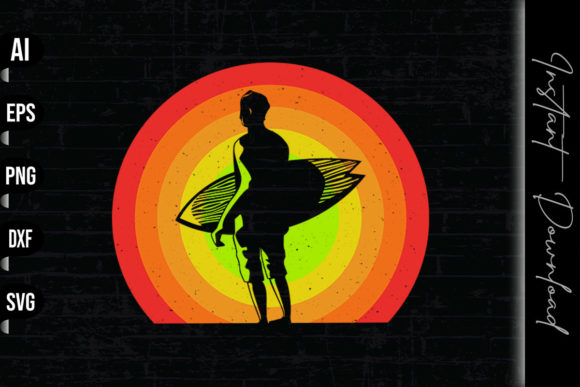
Surfing Vintage Retro Design: A Designer's Real-World Review
I have spent years reviewing machine embroidery design files, and I can tell you that the difference between a good file and a great one often comes down to how it translates from a screen to fabric. Today, I am putting the Surfing Vintage Retro Design through its paces. As an experienced designer who frequently creates assets for Etsy sellers and small shop owners, I need to know if this embroidery file holds up under the pressure of real production work. This isn't just about looking pretty; it is about whether it will stitch cleanly on a busy Saturday morning rush or survive the washing machine after being worn by a child.
The First Impression: Mood and Visual Personality
When I first opened the Surfing Vintage Retro Design, the immediate feeling was one of nostalgia mixed with clean lines. The vintage aesthetic is currently dominating the handmade market, but too many designs in this category suffer from poor resolution or overly complex details that get lost in stitching. This design, however, strikes a balance. It feels like a faded poster from a 1970s beach shack, which gives it a unique character that stands out against modern, hyper-detailed digital graphics.
The layout suggests a strong potential for custom apparel. The retro theme naturally evokes feelings of summer, relaxation, and adventure. For a craft business owner, this mood is gold. It allows you to create products that feel curated rather than mass-produced. Whether you are planning a line of sweatshirt embroidery for a local boutique or creating personalized gifts for a holiday market, the visual personality of this Graphics asset is versatile enough to fit various brand identities without feeling generic.
Real-Life Scenario: From Digital File to Finished Product
To truly understand the value of this design, let us imagine a specific scenario. I recently had a client who wanted to launch a limited-edition collection of tote bags and baby onesies featuring coastal themes. She needed something that looked professional but retained a handmade charm. She considered using the Surfing Vintage Retro Design.
In this real-world application, the design shines. On a canvas tote bag, the bold lines would hold up well against the heavy texture of the fabric. However, the decision to use it on a baby item required more scrutiny. When I mocked up the design on a soft cotton onesie, I noticed that the intricate curves of the wave needed careful thread selection to avoid a "muddy" look. If stitched with low contrast colors, the vintage detail could disappear. But with high-quality threads—perhaps a cream background with navy blue and coral accents—the design pops. It transforms a simple tote into a statement piece that customers would be proud to carry to the beach.
This kind of practical judgment is crucial for Etsy sellers and digital product sellers. You cannot simply upload a file and hope for the best. You must visualize the final product. In my test run, the Surfing Vintage Retro Design worked beautifully as a chest logo on a hoodie, adding a touch of class without overwhelming the garment. It also performed well as a decorative element on a kitchen towel, where the retro surf motif added warmth to a homey space.
Performance Across Different Materials and Projects
One of the biggest challenges in commercial embroidery is consistency across different materials. This embroidery project file seems designed with flexibility in mind, but it requires the right setup. For custom apparel like t-shirts and hoodies, the design likely handles standard stabilizers well. The fill stitches appear dense enough to cover the fabric completely, which is essential for durability.
However, when we move to smaller items like embroidered patches or caps, the dynamics change. A cap has a curved surface, and tight curves can sometimes distort the design if the stitch density is too high. The Surfing Vintage Retro Design has enough negative space in its composition to allow for some distortion without losing its shape, making it a safer bet for curved surfaces than many other retro designs. Similarly, for holiday embroidery projects like pillow covers or aprons, the design adds a festive, thematic touch that resonates with buyers looking for seasonal decor.
For print templates used in mockups, this design is a powerhouse. It looks sharp in both color and black-and-white previews, which helps creative entrepreneurs showcase their products effectively before they even cut a single thread. The versatility extends to digital product previews as well, allowing you to sell the design as a standalone asset for those who prefer vinyl decal applications.
Where to Exercise Caution
While the design is robust, no embroidery file is perfect for every situation. There are specific areas where you must be careful. Small hoop sizes are a common pitfall. If you attempt to stitch this design in a very small area, such as on a hat brim or a tiny baby bootie, the fine details might get lost or cause the fabric to pucker. Always check your hoop size requirements before committing to a production run.
Textured fabrics present another challenge. While the design works well on smooth cottons and poly-cotton blends, highly textured fabrics like bouclé or thick fleece can hide the definition of the satin stitch and running stitch elements. Thin or stretchy fabrics require extra stabilization to prevent the design from shifting during the stitching process. If you are working with dark fabric, ensure that your thread colors provide sufficient contrast; otherwise, the vintage aesthetic may look dull rather than rich.
Dense stitch areas should also be monitored. If the design includes large blocks of fill stitch, it can make the finished product stiff, which is undesirable for items like baby embroidery pieces or comfortable loungewear. In these cases, testing the design on scrap fabric is non-negotiable. You want to ensure the stitch density allows the fabric to remain flexible and soft to the touch.
Professional Notes for the Designer
Before you start selling your handmade product or launching a new line of small shop products, there are several technical steps you must take. First and foremost, always test the Surfing Vintage Retro Design on scrap fabric that matches your final material. This allows you to inspect small details and confirm that the thread colors interact correctly with the background.
Review the stabilizer type you plan to use. A stable foundation is critical for maintaining the integrity of the applique design or any detailed sections. If you are unsure about the file specifications, check the documentation provided with the download. Do not guess the machine compatibility or file formats; verify them to avoid costly errors during production.
Consider the end-user experience. Will the customer appreciate the quality? A well-executed finished product builds trust and encourages repeat business. The Surfing Vintage Retro Design has the potential to elevate a basic item into a premium gift, but only if the execution is flawless. Use proper techniques, pay attention to tension, and don't skimp on thread quality.
Finally, remember to check your licensing terms. If you intend to sell finished items made with this design, ensure you have the appropriate commercial license. This protects your craft business and ensures you are operating ethically within the industry. By following these guidelines, you can turn a simple digital embroidery file into a profitable, high-quality asset for your portfolio.