Lacrosse Player Retro Vintage: A Designer's Real-World Review
When I first opened the file for Lacrosse Player Retro Vintage, my immediate reaction was one of nostalgia mixed with a sharp, modern appreciation for clean lines. As someone who spends countless hours evaluating T-Shirt Designs and Graphics for both personal hobby projects and commercial client work, I look past the pretty preview image to see how the stitches will actually behave on fabric. This design isn't just a static image; it is a promise of texture, movement, and a specific aesthetic that resonates deeply with sports enthusiasts and vintage lovers alike.
The mood this design creates is unmistakably retro. It feels like a faded poster from a high school gymnasium in the 1980s or a worn-out jersey from a championship season decades ago. The visual personality is bold yet approachable, making it perfect for a wide range of embroidery project types. Whether you are an Etsy seller looking to expand your catalog or a crafter preparing a personalized gift for a lacrosse player, this piece offers a strong foundation for a finished product that stands out without screaming for attention.
From Screen to Stitch: Visualizing the Outcome
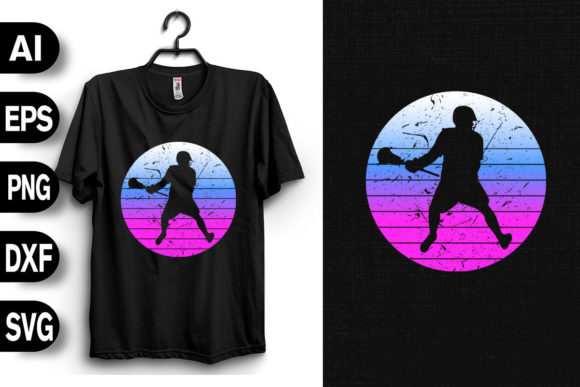
In the digital realm, Lacrosse Player Retro Vintage looks crisp and defined. However, the true test lies in how it translates to thread. When I imagine this design stitched onto a heavy cotton sweatshirt, the fill stitches likely provide a rich, textured body that mimics the feel of a classic varsity jacket. The layout suggests a central focal point, which is ideal for chest placements on apparel or the center panel of a tote bag.
For a custom apparel project, this design excels because it balances detail with simplicity. In real-life scenarios, such as creating merchandise for a local lacrosse team or a boutique shop, clarity is king. If the design were too intricate, the small details would get lost in the stitching process, especially on smaller hoop sizes. Fortunately, the retro style naturally simplifies complex forms into recognizable shapes, ensuring that the final finished product remains legible even from a distance. The color palette implied by the "vintage" tag suggests earth tones, muted reds, or navy blues, which pair beautifully with natural fabrics like canvas or unbleached linen.
Real-World Application: The Boutique Scenario
Let's consider a practical scenario where I might use Lacrosse Player Retro Vintage. Imagine I am preparing inventory for a holiday craft fair. I want to create a line of handmade products that appeal to parents buying gifts for their children who play sports. I decide to use this design on a sturdy canvas tote bag and a soft fleece sweatshirt.
On the tote bag, the design acts as a statement piece. The durability of the embroidery holds up well against the friction of daily use, turning a simple accessory into a durable keepsake. Customers walking through the booth would immediately recognize the sport, and the retro aesthetic adds a layer of sophistication that elevates the perceived value of the item. It transforms a generic bag into a handmade product with a story.
Similarly, placing this machine embroidery design on a baby onesie or a toddler's hat requires careful consideration of scale. The design's rounded edges and lack of overly sharp points make it safer and more visually appealing for children's wear. It avoids the jagged look that can sometimes occur with aggressive geometric designs. For a parent, seeing a high-quality embroidered image of their child's favorite sport on a durable garment is a significant emotional draw, boosting engagement and sales.
Technical Considerations and Fabric Choices
While the artistic vision is clear, the technical execution of Lacrosse Player Retro Vintage demands respect for the materials. Not all surfaces are created equal, and understanding where this design shines versus where it struggles is crucial for any small business owner.
This design performs exceptionally well on stable, woven fabrics. Heavyweight cotton, denim, and canvas are the ideal candidates. The saturation of the threads will pop against these backgrounds, and the stabilizer needed to support the stitch density will hold firm without puckering. However, there are areas where caution is required. Stretchy fabrics like thin polyester blends or loose-knit jerseys can be problematic. Without proper hooping techniques and adequate stabilizers, the tension of the satin stitch could cause the fabric to warp, distorting the shape of the lacrosse player.
Texture is another factor to watch. While a slightly nubby fabric can add character, highly textured materials like bouclé or thick terrycloth may obscure the finer details of the graphic. Similarly, on dark fabrics, the contrast of the thread colors becomes critical. If the design relies heavily on light-colored highlights, they might get swallowed by a black background unless a specific underlay or bright thread choice is made. Always test your thread colors against your chosen fabric before committing to a full production run.
Navigating Small Details and Hoop Sizes
One of the most common pitfalls in embroidery is attempting to place a large, detailed design on a curved surface like a cap or a small area like a breast pocket. Lacrosse Player Retro Vintage has enough detail that if placed on a very small hoop, some of the nuance in the player's pose might be lost. Curved surfaces introduce additional challenges, as the needle must navigate the curvature while maintaining consistent stitch length. For best results, this design is better suited for flat surfaces or larger curved areas like the front panel of a baseball cap rather than the side panels.
If you are planning to use this as an embroidered patch, the backing material and the edge finish become paramount. The design needs to be dense enough to stand up on its own but not so dense that it becomes stiff and uncomfortable. Testing on scrap fabric is non-negotiable here. You need to verify that the running stitch or border does not unravel after multiple washes, especially for items like aprons or kitchen towels that undergo frequent laundering.
Design Assets for Commercial Success
For those selling digital embroidery files or using them to create physical goods, the versatility of Lacrosse Player Retro Vintage is a major asset. It fits seamlessly into various categories, from holiday embroidery to wedding gifts (perhaps for a groomsmen's suit or a bridal party favor). Its ability to function as a tote bag design or a sweatshirt embroidery piece means it appeals to a broad demographic.
When creating printable mockups or digital previews for your Etsy listings, ensure that the lighting and angle highlight the texture of the stitches. Buyers cannot touch the product, so visual cues about quality are essential. A flat image of the SVG won't sell the dream; showing how the fill stitch catches the light on a textured fabric will build trust and justify a higher price point.
Before diving into mass production, remember to check the licensing terms associated with the file. Confirm whether you are allowed to sell the finished physical items or if the license restricts you to personal use only. This distinction is vital for protecting your craft business from legal issues.
Final Thoughts on Practical Use
Lacrosse Player Retro Vintage is more than just a graphic; it is a versatile tool for creative entrepreneurs. It brings a sense of history and passion to every item it adorns. By paying attention to fabric selection, hoop size, and stitch density, you can ensure that the final output matches the high standards of professional design. Whether you are making a single personalized gift or stocking a boutique with commercial embroidery pieces, this design offers a reliable path to creating something beautiful and lasting. Just remember to test your setup, respect the fabric, and let the retro charm do the talking.